Manakamana Temple
The wish-fulfilling goddess on a Gorkha hilltop at 1,302m — Nepal's most beloved Bhagwati shrine, accessible by the country's first cable car since 1998.


About Manakamana Temple
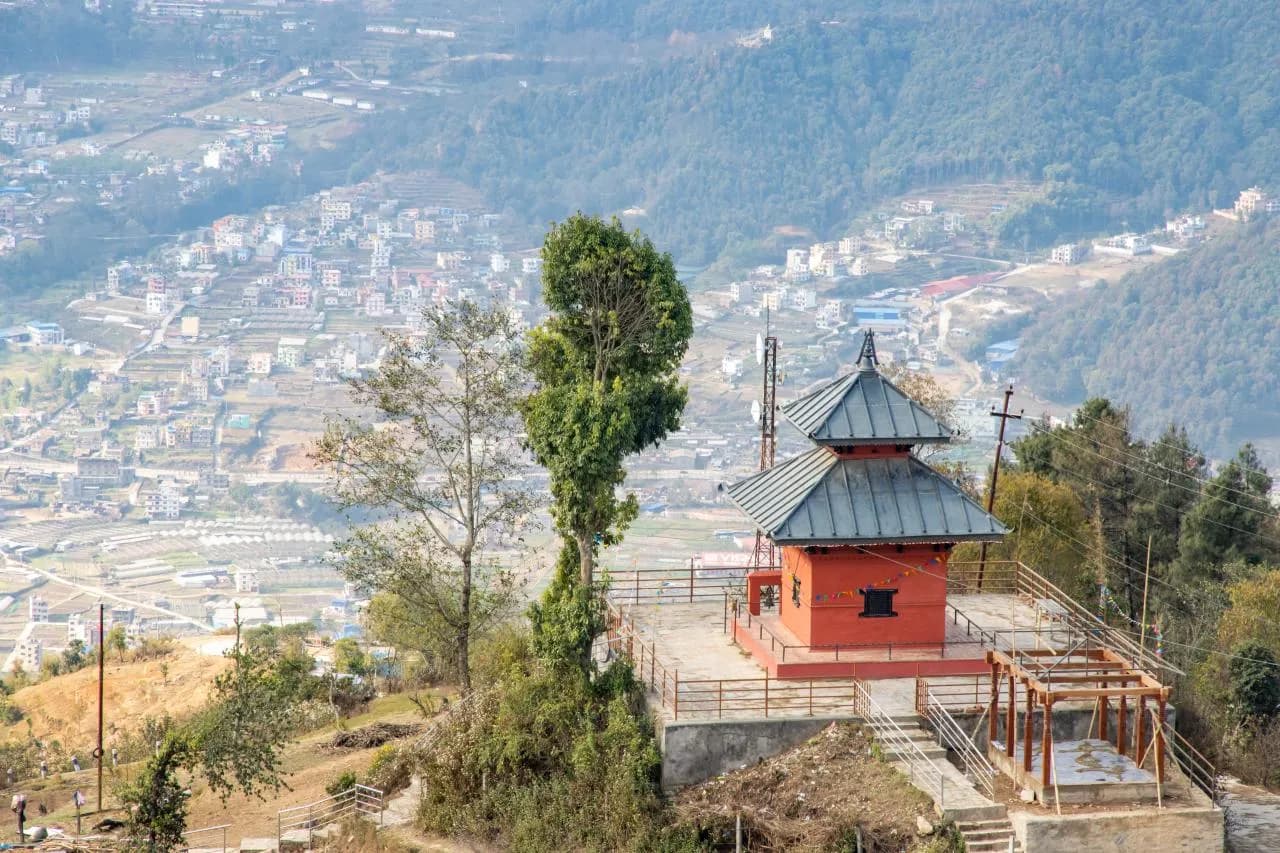
Manakamana Temple is one of Nepal's most revered Hindu shrines, perched on a lofty ridge in the Gorkha district at 1,302 meters above sea level. Dedicated to Goddess Bhagwati — here worshipped as Manakamana Devi, the "wish-fulfilling" goddess — the temple draws hundreds of thousands of pilgrims every year who come seeking divine blessings, fulfilment of prayers, and the chance to offer thanks for wishes already granted. The very name "Manakamana" derives from the Sanskrit words mana (heart/mind) and kamana (desire), meaning "the one who fulfils the desires of the heart."
The temple occupies a commanding position on a ridge above the Trisuli and Marsyangdi river valleys, with sweeping panoramic views of the central Himalayan giants — including Manaslu (8,163m), Himalchuli (7,893m), Annapurna II (7,937m), Baudha Himal, Ganesh Himal, and the Langtang massif on clear days. This combination of spiritual potency and natural grandeur makes Manakamana one of the most complete pilgrimage experiences in Nepal. Pilgrims are rewarded not only with divine darshan but with one of the finest mountain panoramas accessible to ordinary visitors anywhere in the country.
The temple complex is built in the traditional Nepali pagoda style. The sanctum sanctorum houses the principal deity as a natural pindi (uncarved stone) — believed to be the self-manifested form of Goddess Bhagwati. The golden kalash (pinnacle) and tiered copper roof gleam in the sunlight, drawing eyes from miles around. The main temple is surrounded by subsidiary shrines, a large open courtyard, a sacred tree, and the ever-present fragrance of incense, marigold garlands, and ghee lamps. The atmosphere resonates with the ringing of bells, the chanting of priests, and the murmur of thousands of devotees in prayer.
Nepal's first cable car, inaugurated in 1998 and constructed by the Austrian engineering firm Doppelmayr, transformed access to Manakamana forever. The 2.8-kilometre aerial gondola rises from Kurintar station on the Prithvi Highway (the Kathmandu–Pokhara highway, 106 km west of Kathmandu) to the temple hilltop in approximately 10 minutes, lifting passengers some 900 metres in elevation. Before the cable car, reaching the temple required a steep 2–3 hour hike. Today, the cable car carries thousands of pilgrims daily, making Manakamana accessible to the elderly, families, and anyone who would otherwise have been unable to make the climb. The ride itself — gliding over the plunging forested gorges of the Trisuli valley — is a memorable experience in its own right.
The temple's deep connection to the Gorkha dynasty adds a layer of royal and historical significance. The Gorkha kings — whose warrior heritage unified Nepal — venerated Manakamana as their kuladevi (family deity). Prithvi Narayan Shah, the founder of modern Nepal, is recorded to have received Goddess Manakamana's blessing before embarking on his military campaigns that united the fractured hill kingdoms into the nation of Nepal. This royal patronage elevated the temple's status from a regional hilltop shrine to a national sacred site. Even today, the royal connection is felt in the temple's grandeur and in the deep reverence Nepalis of all backgrounds extend to Manakamana Devi.
Why Visit Manakamana Temple
 Seek blessings from Manakamana Devi — the wish-fulfilling goddess revered by millions
- Experience Nepal's first cable car — a 10-minute aerial ride over stunning Trisuli valley gorges
- Witness the sacred pindi (natural stone) that bled when first discovered — origin of the temple
- Marvel at panoramic Himalayan views: Manaslu, Himalchuli, Annapurna II, Ganesh Himal
- Follow in the footsteps of Prithvi Narayan Shah who received the goddess's blessing here
- Attend the atmosphere of Dashain — Nepal's greatest festival when Manakamana is at its most vibrant
- Visit the Gorkha Kingdom's kuladevi (family deity) shrine, integral to Nepali royal history
- Enjoy a manageable pilgrimage at moderate altitude — accessible to all ages and fitness levels
History & Mythology
The history of Manakamana Temple is inseparable from the history of the Gorkha Kingdom, the dynasty whose ambitions transformed Nepal from a patchwork of warring principalities into a unified nation. The temple's origin legend is rooted in the 17th century, during the reign of Gorkha King Ram Shah — a reformer remembered for codifying laws and dispending justice so fairly that his name became a byword for righteousness in the hills of central Nepal.
According to the most widely accepted tradition, Queen Sati Devi — wife of Ram Shah — was no ordinary consort but a divine incarnation of Goddess Bhagwati herself. When King Ram Shah died, Queen Sati Devi expressed her wish to follow him into death, as was the custom of sati at the time. Before doing so, she revealed her divine nature to her devoted attendant, a farmer and palace servant named Lakhan Thapa, instructing him to keep the secret until the goddess revealed herself through a sign. Decades passed. Then one day, as Lakhan Thapa was ploughing his field on the ridge that would become the temple site, his plough struck a stone — and the stone bled. Recognising this as the promised sign, Lakhan Thapa understood that the goddess had manifested in the earth itself. He built a modest shrine over the bleeding stone and began to worship the deity as Manakamana. His family became the hereditary priests of the temple, a lineage of Thapa-clan priests that continues to this day.
The temple's elevation to royal status came during the campaigns of Prithvi Narayan Shah, the great-great-grandson of Ram Shah, who founded the Shah dynasty's conquest of the Kathmandu Valley in 1768 and is revered as the father of modern Nepal. Manakamana was the Gorkha royal family's kuladevi — the patron goddess of the ruling clan — and Prithvi Narayan Shah sought her blessing before his decisive military campaigns. It is said that the goddess appeared to him in a vision and promised victory to those who honoured her. The successful unification of Nepal sealed the temple's reputation as a powerful wish-granting deity. Royal patronage continued through the Shah dynasty, and the temple was expanded, embellished, and maintained with royal support for over two centuries.
The 2015 Gorkha earthquake, which devastated much of Nepal and was centred only some 60 km from the temple, caused significant structural damage to parts of the Manakamana complex. The main temple building required extensive reconstruction and restoration work. The national and international effort to restore the temple — which was completed within a few years — reflected the depth of cultural and religious significance that Manakamana holds for the Nepali people. The cable car infrastructure was also inspected, reinforced, and declared safe for resumed operations. Today the restored temple stands as a testament to both the resilience of Nepali heritage and the enduring faith of millions of devotees.
Historical Timeline
Divine Manifestation
During the reign of Gorkha King Ram Shah, the goddess Bhagwati (believed to be the reincarnation of Queen Sati Devi) manifests as a natural stone on the ridge. Farmer Lakhan Thapa discovers the bleeding stone, builds the first shrine, and becomes the founding priest. His Thapa-clan descendants continue as priests today.
Royal Patronage & Prithvi Narayan Shah
Prithvi Narayan Shah, founder of modern Nepal, seeks the goddess's blessing before his unification campaigns. His victories cemented Manakamana's reputation as the most powerful wish-granting shrine in Nepal. The Gorkha royal family declares her their kuladevi (clan deity).
Temple Expansion & National Significance
The Shah dynasty and successive regimes of Nepal expand and renovate the temple complex. The shrine grows from a simple hilltop shrine to a major pagoda-style temple with a golden roof. Pilgrim numbers grow steadily as Nepal's road network improves access to the Prithvi Highway.
Cable Car Opens
Nepal's first cable car, built by Austrian firm Doppelmayr, inaugurated. The 2.8-km gondola from Kurintar to the hilltop cuts the 2–3 hour hike to a 10-minute ride. Pilgrim numbers surge dramatically. The cable car becomes an attraction in its own right and transforms Manakamana into an accessible day-trip destination.
Earthquake Damage & Restoration
The April 2015 Gorkha earthquake damages the temple complex. A major restoration effort follows, rebuilding the main temple and subsidiary shrines while preserving the original architectural character. The restored temple reopens within a few years, and the cable car resumes normal operations.
Mythology & Legends
The Bleeding Stone of Lakhan Thapa
The founding legend holds that Queen Sati Devi, wife of King Ram Shah, was the earthly incarnation of Goddess Bhagwati. After performing sati upon the king's death, she promised to reveal herself through a sign to her faithful attendant Lakhan Thapa. When his plough struck a stone that bled, Lakhan Thapa understood the goddess had entered the earth. The unworked stone — a pindi — became the sacred idol worshipped to this day. It is this living stone, not a carved image, that forms the heart of the temple.
The Wish-Fulfilling Goddess
Devotees across Nepal and India believe that Manakamana Devi fulfils sincere wishes — manokamana (heart's desire) — of those who visit with devotion, make offerings, and return to give thanks once the wish is granted. It is customary to visit the temple twice: once to make a vow when asking for a blessing, and a second time (saphal) to offer thanks and fulfil one's vow after the wish has been granted. This tradition of reciprocal devotion binds millions of families to the goddess across generations.
Prithvi Narayan Shah's Divine Vision
Before embarking on his campaign to conquer the Kathmandu Valley, the young Gorkha king Prithvi Narayan Shah came to Manakamana to seek the goddess's blessing. According to tradition, the goddess appeared to him in a vision and placed a betel leaf and curd in his hand — symbols of victory and auspiciousness in Nepali culture. Emboldened, he launched his campaigns and ultimately unified Nepal under a single crown. Devotees see this story as proof of the goddess's direct intercession in the affairs of the faithful.
The Goat That Would Not Die
Among the many miracle stories told at Manakamana, one of the most enduring involves an ancient test of the goddess's power: a devotee once brought a goat for sacrifice but found that even after the ritual, the animal survived — the goddess had granted it life as a sign of her divine mercy. This legend is often told in the context of the increasing popularity of coconut sacrifices as an alternative to animal offerings, which some devotees choose today while honouring the temple's tradition.
Sacred Rituals & Practices
Key Attractions

Manakamana Devi Pindi (Main Shrine)
The living heart of the temple — an unworked natural stone (pindi) believed to be the self-manifested form of Goddess Bhagwati Manakamana. Unlike temples that house carved anthropomorphic idols, Manakamana's sanctum enshrines this raw stone as the direct physical presence of the goddess. The stone is adorned with silk garments, gold jewellery, and fresh marigold garlands. Butter lamps and incense burn continuously before it. Pilgrims report an almost electric atmosphere of divine presence in the inner sanctum.
Manakamana Cable Car
Nepal's first cable car, built in 1998 by Austrian company Doppelmayr, is itself one of the highlights of any Manakamana visit. The 2.8-km aerial gondola departs from Kurintar station on the Prithvi Highway and rises approximately 900 metres over plunging forested gorges to the temple hilltop. The 10-minute ride provides extraordinary views of the Trisuli and Marsyangdi river valleys far below, the terraced hill-farms of Gorkha district, and the white peaks of the Himalaya on the northern horizon. The cable car runs from 9 AM to 5 PM (with a midday break) and tickets cost approximately NPR 700 return for foreigners and NPR 400 for Nepalis.
Himalayan Panorama from the Temple Ridge
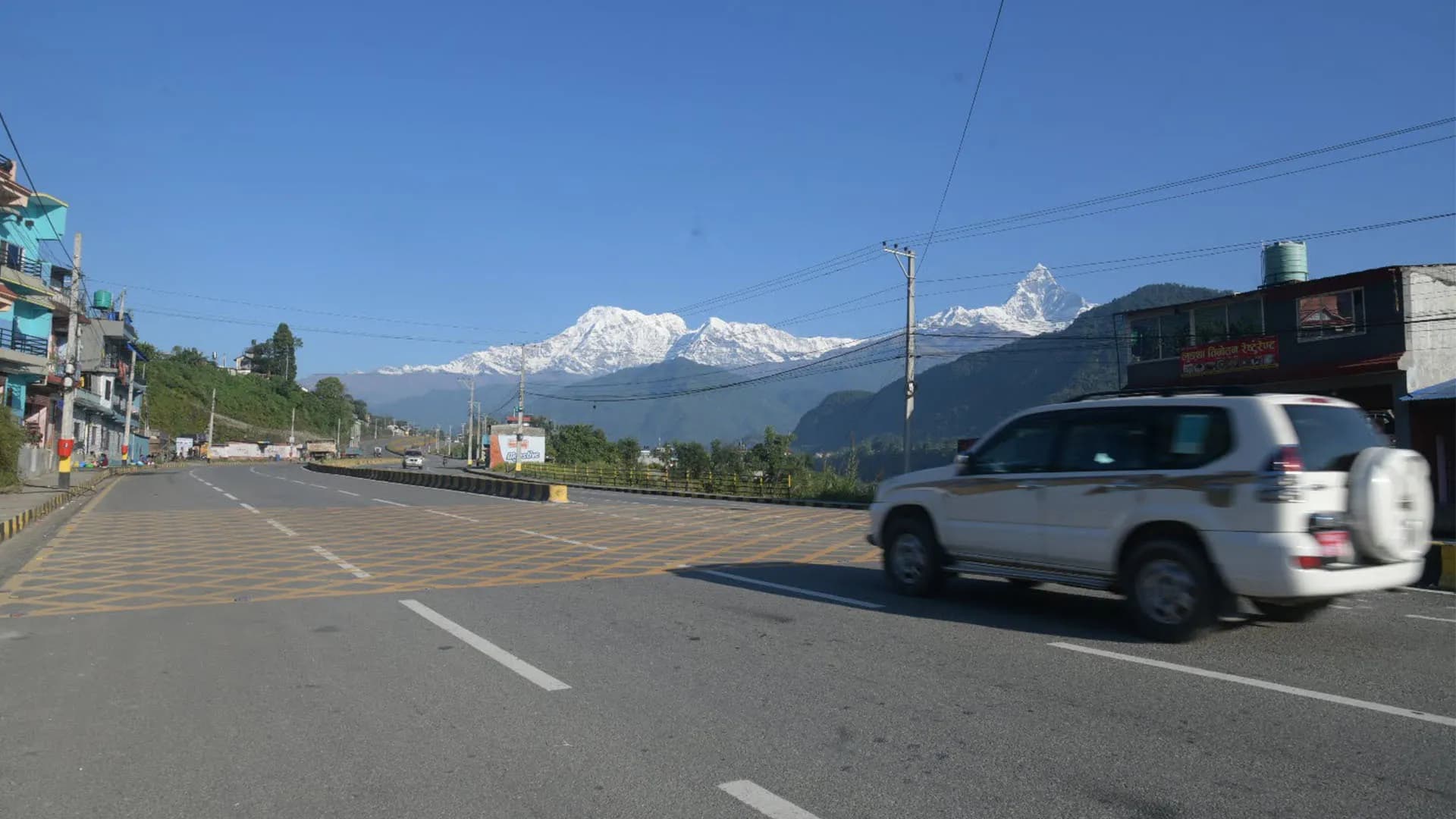
The temple's position on a high ridge between two major river valleys creates a natural viewing platform for the central Himalayas. On a clear day — best in October–November and March–April — the visible peaks include Manaslu (8,163m, the world's eighth highest), Himalchuli (7,893m), Ngadi Chuli (Peak 29, 7,871m), Annapurna II (7,937m), Baudha Himal, Ganesh Himal, and the distant mass of Langtang. The contrast between the green forested ridges immediately below and the white ice ramparts on the northern skyline is breathtaking.
Temple Courtyard & Subsidiary Shrines
The main temple compound contains several subsidiary shrines dedicated to Lord Ganesha, Bhairab, Kumar (Kartikeya), and the Nava Durga (nine forms of the goddess). The large peepal tree in the courtyard is itself considered sacred — devotees tie red threads around its trunk as offerings. The courtyard is also the space where large religious gatherings, cultural programmes during festivals, and the atmosphere of collective devotion are most tangible.
Kurintar — The Cable Car Base
Kurintar is the riverside settlement on the Prithvi Highway where the cable car's lower station is located. The town sits at the confluence of the Trisuli and Marsyangdi rivers — a dramatic natural junction. Rafting companies operate on both rivers from Kurintar, making it possible to combine a Manakamana pilgrimage with a white-water rafting adventure on the same trip. The riverbanks offer pleasant walking and refreshing riverside restaurants.
Gorkha Durbar (Gorkha Palace)
Approximately 24 km northwest of Manakamana along mountain roads, the ancient Gorkha Durbar sits atop another steep ridge above the town of Gorkha. This 16th-century palace-fortress complex was the seat of the Gorkha Kingdom and the ancestral home of the Shah dynasty. It houses the Gorkhanath Temple (a Shiva shrine), a small but historic museum, and the original throne room. A visit to Gorkha Durbar combined with Manakamana makes a deeply enriching day trip into the heart of Nepali history.
Hindu & Buddhist Coexistence
Hindu Perspective
For Hindus, Manakamana Temple is one of the most powerful Shakti shrines in the Himalayan region — a living seat of the Divine Feminine where the goddess actively intercedes in the lives of her devotees. Manakamana Devi is worshipped as a form of Bhagwati (Durga/Parvati) and is believed to possess the power to grant sincere wishes.
- Manakamana Devi is a Shakti pitha — a seat of the Divine Feminine (Bhagwati/Durga)
- The pindi (natural stone) is believed to be svayambhu — self-manifested, not carved by human hands
- Bali pratha (animal sacrifice) is central to the Shakti tradition here, particularly during Dashain
- The two-visit mannat tradition — vow-making and saphal thanksgiving — defines devotional culture
- Prithvi Narayan Shah's blessing here before unifying Nepal confirms the goddess's power
- The goddess is the kuladevi (clan deity) of the Gorkha Shah dynasty and many hill families
- Dashain is the temple's most sacred period — Navratri puja draws enormous pilgrimage numbers
Buddhist Perspective
While Manakamana is primarily a Hindu Shakti shrine, the region around the Trisuli and Marsyangdi valleys has been a corridor of Buddhist cultural exchange between the Tibetan plateau and the Kathmandu Valley for centuries. Some aspects of local practice reflect this layered religious landscape.
- The broader Gorkha district contains pockets of Tibetan Buddhist cultural influence
- Many Gurung and Magar communities near Manakamana observe both animist and Buddhist practices
- The concept of a powerful mountain goddess who grants wishes resonates with Tibetan Buddhist goddess iconography
- The Marsyangdi and Trisuli valleys were traditional trading routes used by Buddhist communities
- Visiting the goddess is considered meritorious across Nepal's syncretic religious communities
- Local festivals often blend Hindu and indigenous animist elements reflecting pre-Buddhist Himalayan spirituality
Shared Sacred Elements
- Reverence for a powerful mountain goddess who intercedes in human affairs
- The belief that sincere prayer and sacrifice bring tangible blessings
- Pilgrimage as a journey of spiritual purification and renewal
- The importance of vows (promises to the divine) and their fulfillment
- Community gathering and festival celebration at the sacred site
- Respect for the natural setting as part of the sacred landscape
Where Science Meets Faith
The phenomena at this sacred site have fascinated both scientists and devotees for centuries.
The Cable Car: Engineering a Pilgrimage
 Scientific Explanation
The Manakamana cable car, engineered by Austrian company Doppelmayr and inaugurated in 1998, is a monocable detachable gondola system spanning 2.8 km with an elevation gain of approximately 900 metres from Kurintar (430m) to the temple ridge (1,302m). The system uses a continuous haul rope driven by a bullwheel drive at the upper terminal station. Gondola cabins detach from the haul rope at each station for loading and unloading, then re-grip the moving rope for the aerial journey. The system can transport hundreds of passengers per hour and has an excellent safety record over its more than 25 years of operation.
 Spiritual Significance
For millions of pilgrims — the elderly, the infirm, young families — the cable car is nothing less than a divine gift. Before 1998, those who could not manage the gruelling 2-3 hour uphill hike were effectively excluded from the goddess's presence. The cable car dissolved that barrier. Devotees describe the 10-minute aerial journey — lifting them above the world of ordinary concerns into the realm of the hilltop goddess — as itself a liminal spiritual experience, a threshold crossing between the mundane world below and the sacred summit above.
Himalayan Geology & The Ridge Setting
Scientific ExplanationThe ridge on which Manakamana stands is part of the Mahabharat range — the lower Himalayan foothills that run east-west across Nepal between the high Himalaya to the north and the Terai plains to the south. The ridge is composed of metamorphic and sedimentary rock thrust upward by the ongoing collision of the Indian and Eurasian tectonic plates. The dramatic gorges cut by the Trisuli and Marsyangdi rivers on either side of the ridge represent some of the deepest river-valley incisions in Nepal. The altitude of 1,302m is well below the altitude threshold for altitude sickness, making Manakamana accessible without acclimatization concerns for most visitors.
Spiritual SignificanceThe ridge's commanding position — elevated between two sacred rivers, looking north to the Himalayan peaks where the gods dwell — was understood by ancient worshippers as a liminal zone between the human and divine realms. High places in Hindu cosmology are associated with Shakti energy. The goddess naturally chooses such a ridge for her dwelling: close enough to the world of humans to hear their prayers, yet elevated enough to belong to the realm of the divine.
Panoramic Vision at 1,302m
Scientific ExplanationThe atmospheric clarity needed to see the high Himalayas from Manakamana depends on the aerosol load in the atmosphere — which is lowest in post-monsoon October–November and in the pre-monsoon spring. The ridge's position above the valley inversion layer means that haze trapped in the valley floors does not obscure the view from the temple. At 1,302m, the line-of-sight distance to Manaslu (8,163m, some 70 km to the northwest) is unobstructed, making the peak appear dramatically large relative to intervening terrain. The Himalayan chain from Dhaulagiri to Langtang spans roughly 240 km of the northern horizon from this vantage.
Spiritual SignificanceThe ability to see the sacred peaks of the Himalaya — where, in Hindu cosmology, the gods reside — from the goddess's own shrine is considered divinely significant. Manaslu (whose name derives from Manasa Sarovar, the sacred lake of the mind) sits on the horizon like a divine presence. Pilgrims who arrive on clear mornings feel they are witnessing not just geological scenery but the actual dwelling places of the gods, visible because the goddess has chosen to situate her home in their sight-line.
Animal Sacrifice: Biology & Sacred Tradition
Scientific ExplanationAnimal sacrifice — bali — has been practiced in Shakti temples across South Asia for millennia. The ritual killing of goats and chickens at Manakamana is conducted rapidly using trained ritual methods. Anthropologists and historians of religion view bali as a form of substitutionary offering — the animal's life is given in place of the devotee's own life, dramatising total submission to the divine. The practice is declining in many urban Hindu communities, with coconut (nariyal bali) becoming the preferred symbolic alternative, though it remains deeply embedded in the traditions of rural Nepal.
Spiritual SignificanceIn the Shakti tradition, the goddess as Durga or Bhagwati is a fierce form of the Divine Mother who receives blood offerings as the ultimate expression of surrender. The goat represents the devotee's ego — their attachment to their own desires and individuality — which is symbolically killed and offered to the goddess. The blood offering is understood as the most potent form of giving, requiring the devotee to literally give life. Many families maintain this practice as a sacred obligation passed down through generations.
How to Reach Manakamana Temple
Route Steps
Head west from Kathmandu on the Prithvi Highway (BP Highway) toward Pokhara
Drive 106 km west on the Prithvi Highway through Naubise, Malekhu, and along the Trisuli river gorge to Kurintar
Park at Kurintar, purchase cable car tickets (approx. NPR 700 return for foreigners, NPR 400 for Nepalis), and board the gondola
Visit the temple, perform puja, enjoy Himalayan views. Allow 1.5–3 hours for darshan and rituals.
Take the cable car down and drive back to Kathmandu on the same highway
 Pros
Pros- Easy day trip from Kathmandu
- Scenic Trisuli river drive
- Affordable and well-established route
- No altitude concerns
- Prithvi Highway can have traffic near Kathmandu
- Road improvement ongoing — some sections rough
- Cable car closed on maintenance days (typically Tuesday mornings)
Best Time to Visit
Green-bordered months are the recommended times to visit.
January
5°C to 18°C
15mm
Flights: Good
Cool and clear winter. Low crowds. Good mountain views on clear days. Comfortable daytime temperatures at 1,302m altitude.
February
8°C to 20°C
20mm
Flights: Good
Late winter warming. Clear skies frequent. Gardens around the temple begin flowering. Quieter than peak season.
March✓ Best
12°C to 24°C
30mm
Flights: Good
Spring begins. Warming temperatures, green hills, clear Himalayan views. Good pre-season time to visit with fewer crowds.
April✓ Best
15°C to 28°C
50mm
Flights: Good
Peak spring. Warm and pleasant. Excellent views. New Year festivals (Bisket Jatra, Nepali New Year) draw pilgrims. Great month to visit.
May✓ Best
18°C to 30°C
80mm
Flights: Good
Pre-monsoon. Hot but manageable at this altitude. Increasing humidity toward month end. Last comfortable month before monsoon.
June
20°C to 28°C
180mm
Flights: Moderate
Monsoon arrives. Heavy rain, cloud cover obscures mountain views. Leeches on paths in the forest area below. Road visits possible but views limited.
July
20°C to 27°C
380mm
Flights: Moderate
Peak monsoon. Heaviest rainfall. The temple remains open and local devotion continues, but tourist visits drop sharply. Muddy and misty.
August
19°C to 27°C
310mm
Flights: Moderate
Monsoon continues. Teej festival draws women pilgrims in August. Lush green landscapes but poor views and difficult travel conditions.
September✓ Best
17°C to 26°C
150mm
Flights: Good
Monsoon retreating. Skies clearing by mid-month. Dashain preparations begin. Good time to visit as crowds have not yet peaked.
October✓ Best
13°C to 24°C
30mm
Flights: Good
Peak season. Best weather of the year. Crystal-clear Himalayan views. Dashain festival — the most auspicious time to visit Manakamana. Crowds are very large — arrive very early.
November✓ Best
8°C to 22°C
10mm
Flights: Good
Post-monsoon clarity continues. Excellent mountain views. Tihar festival. Comfortable temperatures. Still busy but manageable. One of the best months.
December
5°C to 19°C
10mm
Flights: Good
Early winter. Cool but comfortable at this altitude. Clear skies and excellent views. Low crowds make for a peaceful pilgrimage experience.
Festival Calendar
Dashain (Vijaya Dashami)
Nepal's most important festival is also Manakamana's greatest pilgrimage event. During Dashain's nine nights (Navratri), the goddess is worshipped in her fiercest forms. Thousands of devotees bring goats and chickens as offerings. The entire temple complex is packed from pre-dawn, and the atmosphere of collective devotion is overwhelming. The tenth day, Vijaya Dashami, is when the goddess is credited with defeating the demon Mahishasura — a day of national celebration.
Teej (Haritalika Teej)
The women's festival of Teej is celebrated with particular fervour at Manakamana. Women dressed in red — the colour of Goddess Bhagwati — fast, sing devotional songs, and pray for the well-being of their husbands and families. The temple is crowded with women pilgrims who believe the goddess holds special powers to protect married women and grant marital happiness.
Chaitra Dashain (Bisket Jatra)
The spring Dashain, also known as Chaitra Navaratri, is the second major Navratri of the year. The Gorkha New Year celebrations (Bisket Jatra) overlap with this festival period. Pilgrims from Gorkha district flood the temple. Special pujas, cultural programmes, and night-time prayers are held throughout the nine days.
Maha Shivaratri
While primarily a Shiva festival, many pilgrims visit Manakamana as part of an extended pilgrimage circuit combining Pashupatinath and Manakamana. The goddess is worshipped in her association with Lord Shiva (Bhagwati as Parvati, Shiva's consort). The February–March period is cool and clear — a pleasant time for the visit.
Ghatasthapana (Navratri begins)
The first day of Dashain, Ghatasthapana marks the beginning of nine days of intensive goddess worship. A kalash (sacred pot) of barley seeds is planted in every Hindu home and in the temple. This is the starting gun for the peak Manakamana pilgrimage season — pilgrims begin arriving in large numbers from this day onward.
Tihar (Festival of Lights)
The five-day festival of lights follows Dashain by about two weeks. Oil lamps and string lights illuminate the temple complex. Devotees offer garlands of marigold and light rows of clay diyas. The goddess is worshipped as Goddess Laxmi on the third day of Tihar — making this a time of prayers for prosperity and wealth.
Maghe Sankranti
The winter solstice festival, marking the sun's northward movement (Uttarayan), is celebrated at the temple with early morning prayers. Devotees take holy dips in the Trisuli River below (at Kurintar) and then ascend to the temple for darshan. The festival is less crowded than autumn events, making it a pleasant time for a peaceful visit.
Altitude Sickness Guide
Manakamana Temple sits at 1,302 meters (4,272 feet) above sea level — a moderate altitude that does not pose altitude sickness risks for the vast majority of visitors. Unlike high-altitude Himalayan shrines such as Muktinath (3,710m), Manakamana is well within the safe altitude range for people of all ages and health conditions. The main physical consideration is the steep uphill terrain leading to the temple (if hiking rather than using the cable car), and the warm temperatures during summer and spring months.
Symptoms to Watch
 At 1,302m, true altitude sickness (AMS) is extremely rare
- Heat exhaustion is a more likely concern in summer months (May–September)
- Physical fatigue from the uphill hike if the cable car is not used
- Dehydration from the heat and exertion — stay well hydrated
- Mild breathlessness during the steep uphill hike is normal and not a concern
Prevention Tips
- Stay well hydrated — drink water regularly, especially in hot months
- Wear sunscreen and a hat — the ridge is exposed to strong sunlight
- Wear comfortable walking shoes — the temple approach and courtyard involve steps
- Carry water and light snacks for the temple visit
- If hiking (not using cable car), pace yourself on the uphill sections
- Elderly visitors and those with heart or respiratory conditions should use the cable car rather than hiking
- Visit in the morning to avoid afternoon heat in summer months
Acclimatization Schedule
| Day | Activity | Altitude |
|---|---|---|
| Day 1 | Arrive in Kathmandu (1,350m). Rest and explore the city. No adjustment needed — same altitude as destination. | 1,350m |
| Day 2 | Drive to Kurintar (430m) — descend to valley. Board cable car to Manakamana (1,302m). Perform darshan. Return to Kathmandu or continue to Pokhara. | 1,302m |
Accommodation Guide
Basic guesthouses and lodges near the temple complex and in Kurintar village at the cable car base. Simple rooms, shared facilities, and local Nepali hospitality.
Manakamana Guesthouse
Very AffordableTemple area
Kurintar Lodge
Very AffordableKurintar
Gorge View Guesthouse
Very AffordableKurintar
Food & Cuisine Guide
Dal Bhat
VegAffordableNepal's beloved national dish — steamed rice with lentil soup, seasonal vegetables, pickles, and curry. Served with unlimited refills at most restaurants. The perfect hearty meal after the cable car visit and temple darshan.
Chicken Sekuwa
Non-VegModerateGrilled marinated chicken — a Nepali barbecue specialty popular in roadside restaurants along the Prithvi Highway. Smoky, spiced, and excellent with cold drinks. A Kurintar speciality.
Momos
Non-VegAffordableSteamed or fried dumplings filled with vegetables, chicken, or buffalo meat, served with spicy tomato chutney. Available at virtually every eatery in Kurintar and the temple area.
Fried Fish
Non-VegModerateFreshwater fish from the Trisuli River — fried crispy with Nepali spices. A local delicacy in Kurintar and Mugling, best enjoyed at riverside restaurants. Seasonal availability.
Thukpa (Noodle Soup)
Non-VegAffordableHearty noodle soup with vegetables or meat in a warming broth. A satisfying meal for cool days at the temple or on the journey back from the Himalayan foothills.
Sel Roti
VegVery AffordableTraditional ring-shaped rice doughnut, deep-fried and slightly sweetened. Sold by vendors at the cable car station and temple entrance. A classic Nepali festival and pilgrimage snack.
Yomari (Seasonal)
VegAffordableSweet steamed rice dumplings filled with chaku (molasses) and sesame — a Newar specialty traditionally made during festivals. Available from Kathmandu-based vendors during the pilgrimage season.
Lassi & Masala Tea
VegVery AffordableFresh yoghurt lassi (sweet or salted) and spiced milk tea are the standard refreshments at highway restaurants. Perfectly refreshing after the temple visit.
Restaurant Types
The Prithvi Highway between Kathmandu and Kurintar is lined with local eateries serving dal bhat, chicken sekuwa, fried fish, and momos. Busy with truck drivers and pilgrims. Hearty portions, low prices, genuine Nepali hospitality.
Several restaurants in Kurintar sit right on the banks of the Trisuli River, offering pleasant outdoor seating, river views, and the local speciality of fresh fried fish. Ideal for a relaxed meal before or after the cable car ride.
Around the upper cable car station and temple entrance, vendors sell prasad (offerings), fresh fruits, sel roti, and snacks. Not sit-down restaurants but convenient for quick refreshments between darshan and cable car descent.
Food Tips
- Eat lunch at a riverside restaurant in Kurintar before or after the cable car ride — fresh fish and dal bhat are excellent
- Carry light snacks for the temple visit — the time at the top can stretch longer than expected during peak season
- Drink only bottled or filtered water — tap water in roadside establishments is not reliably safe
- Most eateries cater to both vegetarian and non-vegetarian preferences — vegetarian options are always available
- Try the local chicken sekuwa at a Prithvi Highway dhaba — it's a distinctly Nepali roadside experience
- During Dashain, some restaurants reduce their hours due to festival — carry backup snacks
- Prasad from the temple (usually sweets, fruits, or coconut) is free and considered blessed — accept it gracefully
- Inform restaurants of dietary restrictions in advance — Jain food (without onion/garlic) can be arranged with notice
Budget & Cost Guide
| Category | Budget | Mid-Range | Premium |
|---|---|---|---|
| Accommodation (per night) | Basic guesthouses (Kurintar) | Comfortable hotels with private bath | Riverside resort or Kathmandu 5-star |
| Food (per day) | Local dal bhat, dhabas | Good restaurants, variety of dishes | Resort dining, best available |
| Transport (Kathmandu–Manakamana–Kathmandu) | Tourist bus + shared taxi | Private car hire (return) | Helicopter charter |
| Cable Car (return) | NPR 400 (Nepali rate) | NPR 700 (foreigner rate) | NPR 700 (foreigner rate) |
| Puja & Offerings | Basic marigold and coconut offering | Full Pancha Upachara puja package | Custom puja + animal offering + priest fee |
| Guide | Not included | Local guide included | Expert guide + custom itinerary |
| Miscellaneous | Minimal extras | Entry fees, tips, souvenirs | All comforts, full guided experience |
| Daily Total | Very Affordable (Easy Day Trip) | Comfortable & Good Value | Luxury Pilgrimage Experience |
Budget
Very Affordable (Easy Day Trip) / dayMid-Range
Comfortable & Good Value / dayPremium
Luxury Pilgrimage Experience / dayPacking Checklist
Clothing
| Essential | Additional |
|---|---|
| Comfortable walking shoes or sandals | Dupatta or shawl for women |
| Light breathable clothing (cotton or linen) for summer | |
| Warm layer or light jacket for cooler months (Oct–Feb) | |
| Traditional or modest attire for temple entry (cover shoulders and knees) | |
| Sunhat or cap | |
| Comfortable socks | |
| Rain jacket or compact umbrella (May–September) |
Health & Essentials
| Essential | Additional |
|---|---|
| Sunscreen SPF 50+ | Lip balm with SPF |
| Insect repellent (monsoon months) | Basic pain relievers (Paracetamol/Ibuprofen) |
| Personal medications | Band-aids and antiseptic cream |
| Water bottle (1 litre minimum) | |
| Small hand sanitiser |
Documents
| Essential | Additional |
|---|---|
| Passport (non-Indians) or Valid Photo ID (Indians — Aadhar/Voter ID/Passport) | Hotel booking confirmation (if staying overnight) |
| Emergency contact list | Nepal SIM card or roaming activation |
| Copies of all documents (digital + physical) |
Electronics
| Essential | Additional |
|---|---|
| Mobile phone (charged) | Power bank |
| Camera | |
| Universal adapter (Nepal uses Indian Type D plugs) |
Spiritual & Puja Items
| Essential | Additional |
|---|---|
| Marigold garlands (available at temple vendors) | |
| Coconut for nariyal bali (if preferred over animal offering) | |
| Sweets or fruits as prasad offering | |
| Red cloth or dupatta (auspicious for Shakti worship) | |
| Small container for holy water / prasad from the temple | |
| Prayer beads (mala) |
Specialized Guides
Auspicious Attire
Wear red, yellow, or green — the colours associated with Goddess Bhagwati and considered most auspicious for Shakti worship. Red bangles and sindhur (vermillion) are especially welcome. Modest clothing (covered shoulders and knees) is expected in the inner temple.
Teej Festival Visit
If you can time your visit to coincide with Haritalika Teej (August–September), you will experience Manakamana at its most feminine and devotional — thousands of women in red saris singing and praying together is an extraordinary sight.
Safety & Crowds
The temple area is generally safe for women, but peak Dashain crowds are very dense. Travel with at least one companion during the October peak. Keep valuables secure in crowded queues. The cable car area has good security.
Vow-Making Tradition
Many women visit Manakamana to pray for marriage, children, family health, or success. The tradition of making a sincere vow (mannat) and returning to fulfil it when the wish is granted is especially strong among women devotees.
Practical Comfort
Carry your own sanitary products — availability near the temple is limited. A small personal first aid kit is useful. Comfortable footwear is essential as the temple involves some walking on stone steps.
Photo Gallery
Nearby Attractions
Gorkha Durbar (Gorkha Palace)
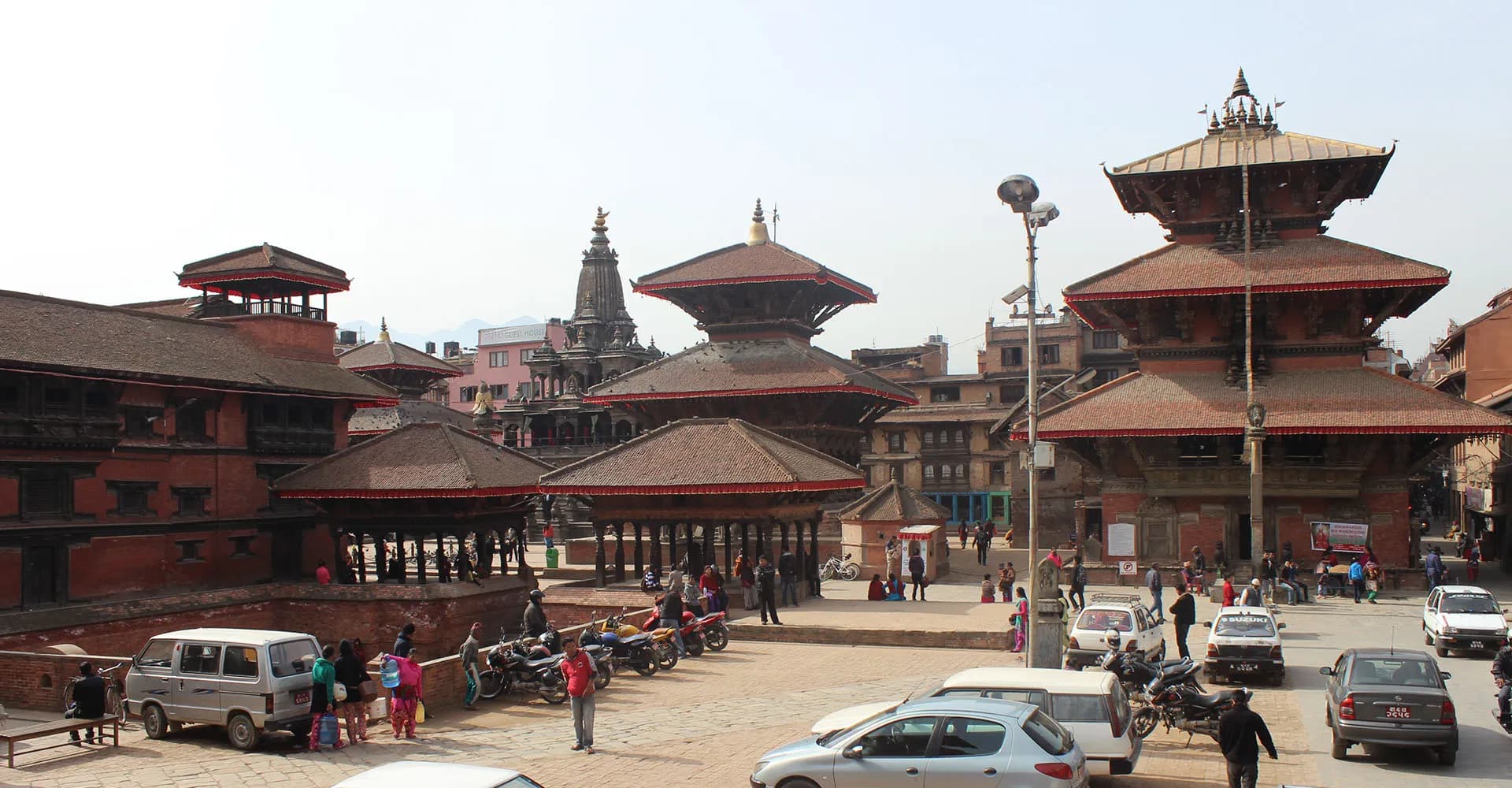
24 km north (45 min drive)The 16th-century hilltop palace-fortress of the Gorkha Kingdom — ancestral seat of the Shah dynasty that unified Nepal. Houses the Gorkhanath Temple, royal throne room, and a heritage museum. Superb panoramic views of the Himalaya. A UNESCO tentative list site and essential companion to Manakamana for any visitor interested in Nepali history.
Trisuli River (White-Water Rafting)
At Kurintar (cable car base)The Trisuli River at Kurintar is Nepal's most accessible white-water rafting destination — a 1–2 day rafting trip downstream from Kurintar through Grade II–III rapids, passing villages, forests, and dramatic gorges. Many tour operators combine a Manakamana pilgrimage with an afternoon or overnight Trisuli rafting adventure.
Bandipur
35 km east (1 hr drive)One of Nepal's most beautifully preserved hill towns — a car-free bazaar of traditional Newari architecture on a ridge above the Prithvi Highway. Excellent mountain views, boutique guesthouses, and a peaceful atmosphere make Bandipur an ideal overnight stop when combining a Manakamana visit with travel between Kathmandu and Pokhara.
Marsyangdi River Valley
Adjacent to Kurintar (confluence with Trisuli)The Marsyangdi River joins the Trisuli at Mugling, just 8 km from Kurintar. The Marsyangdi valley is the corridor for the classic Annapurna Circuit trek. The lower reaches around Mugling offer scenic river walks and the possibility of short kayaking or rafting trips.
Gorka Lakhan Thapa Heritage Site
Within temple areaThe ancestral home and memorial site of Lakhan Thapa — the farmer who discovered the bleeding stone and became the first priest of Manakamana — is located near the temple complex. His descendants, the Thapa-clan priests, continue to serve the goddess today. Visiting this site adds context to the founding legend.
Nuwakot Fort & Bhairab Temple
45 km east (1.5 hrs)The Nuwakot 7-Storey Palace (Saat Tale Durbar) is another Prithvi Narayan Shah heritage site — the strategic base he used for his campaigns against the Kathmandu Valley. The Bhairab temple within the fort complex is one of the most powerful Bhairab shrines in Nepal. Can be combined with a Manakamana visit on a full-day heritage drive.
Frequently Asked Questions
Manakamana Temple is located in the Gorkha district of central Nepal, on a hilltop ridge at 1,302 meters elevation. It is 106 km west of Kathmandu on the Prithvi Highway (Kathmandu–Pokhara highway). The cable car base station is at Kurintar village, near the Mugling junction. The temple is accessible as a day trip from Kathmandu (3–4 hours drive each way).
The cable car ticket price is approximately NPR 700 return for foreign visitors and NPR 400 return for Nepali nationals (as of 2024–25 — prices are subject to revision). Children below a certain age may travel at reduced rates. Tickets are purchased at the lower station in Kurintar. The cable car operates from approximately 9 AM to 5 PM with a midday break. It is typically closed for maintenance on Tuesday mornings.
The cable car ride takes approximately 10 minutes in each direction, covering 2.8 km and rising around 900 metres in elevation from Kurintar (430m) to the temple ridge (1,302m). The gondolas run continuously during operating hours. The ride is scenic — passengers glide over deep forested gorges with views of the Trisuli valley far below and the Himalayan peaks on the northern horizon.
Manakamana is one of Nepal's most accessible pilgrimage destinations for elderly and differently-abled visitors. The cable car eliminates the need for the steep 2–3 hour uphill hike. The altitude of 1,302m poses no altitude sickness risk. The temple complex involves some walking on stone steps, but the distances are short. Wheelchair users may need assistance at certain points in the complex. The cable car gondolas can accommodate wheelchairs with assistance.
The name Manakamana is derived from two Sanskrit words: mana (मन) meaning heart or mind, and kamana (कामना) meaning desire or wish. Manakamana means 'the one who fulfils the desires of the heart.' The goddess Bhagwati Devi, enshrined here, is worshipped specifically for her power to grant sincere wishes and fulfil the heartfelt prayers of devoted pilgrims.
Yes, animal sacrifice (bali) — primarily of goats and chickens — is a traditional practice at Manakamana Temple, associated with the Shakti tradition's emphasis on blood offerings to the fierce goddess. It is conducted in designated areas of the temple complex by trained priests as part of a religious vow fulfillment. Coconut offering (nariyal bali) is a widely accepted and increasingly popular alternative. Both are considered equally valid by the temple priests. Visitors are not required to participate in either.
The best months are October–November (post-monsoon, crystal-clear skies, excellent Himalayan views, Dashain festival) and March–April (spring, warm and green, moderate crowds). October is the peak pilgrimage month during Dashain — arrive very early to manage the crowds. Weekday visits are significantly less crowded than weekends. Avoid June–August (monsoon) for mountain views, though the temple operates year-round.
Yes. Indian nationals do not require a visa to enter Nepal. Free entry is permitted with a valid Indian government-issued photo ID — Aadhaar card, Voter ID card, or Passport. No separate Nepal entry permit is needed for Indians. The most common routes from India are via the Sonauli-Bhairahawa border crossing (from Gorakhpur) or the Raxaul-Birgunj border crossing (from Patna/Bihar).
Manakamana Temple is 106 km west of Kathmandu on the Prithvi Highway. The drive takes approximately 2.5–3.5 hours depending on traffic. The highway follows the scenic Trisuli river gorge for much of the journey. Manakamana is easily done as a day trip from Kathmandu, departing by 7–8 AM and returning by evening.
From Pokhara, Manakamana is approximately 144 km east on the Prithvi Highway. The drive takes about 3–4 hours. Manakamana is a perfect stop on the Pokhara-to-Kathmandu route — break the journey here for the cable car and temple darshan before continuing to Kathmandu.
The original shrine was established by Lakhan Thapa, a farmer and palace attendant in the court of Gorkha King Ram Shah in the 17th century, after he discovered a stone that bled when struck — believed to be the self-manifested form of Goddess Bhagwati. The present temple structure with its golden pagoda roof has been expanded and renovated over centuries, with significant patronage from the Gorkha Shah royal dynasty. The Thapa-clan descendants of Lakhan Thapa continue as hereditary priests today.
Yes. The Manakamana cable car has an excellent safety record over more than 25 years of operation since its 1998 inauguration. It was built by Austrian engineering firm Doppelmayr — one of the world's leading cable car manufacturers — and is maintained to international standards. The cable car underwent safety inspections and reinforcement following the 2015 earthquake before resuming operations. It is one of the most reliable cable car systems in South Asia.
Manakamana Temple's history is deeply tied to the 17th-century Gorkha Kingdom. The founding legend involves Queen Sati Devi — wife of King Ram Shah — who was believed to be an incarnation of Goddess Bhagwati. After her death, she manifested as a natural stone that bled when a farmer named Lakhan Thapa struck it. He built the first shrine and became the founding priest. The temple gained national significance when Prithvi Narayan Shah — the founder of modern Nepal — received the goddess's blessing here before his military campaigns that unified Nepal in 1768.
On clear days (October–November, March–April), the panoramic Himalayan view from Manakamana's ridge is remarkable. Visible peaks include Manaslu (8,163m — the world's 8th highest), Himalchuli (7,893m), Ngadi Chuli / Peak 29 (7,871m), Annapurna II (7,937m), Baudha Himal, Ganesh Himal, and on very clear days, parts of the Langtang range. The views of the Trisuli and Marsyangdi river valleys below are equally dramatic.
Manakamana Temple is generally open from 6 AM to 7 PM daily. The cable car operates from approximately 9 AM to 5 PM with a midday break. For early morning darshan before the cable car opens, visitors can hike up on the original trail. The inner sanctum may have brief breaks during priest rituals — the temple office can provide the day's schedule.
Observe the following temple etiquette: do not enter the inner sanctum without removing shoes; do not photograph the deity or priests without permission; do not point your feet toward the sacred image; do not enter if wearing leather items (belt, bag, shoes) inside the sanctum; do not bring food or drink inside the temple; do not walk counterclockwise around shrines; and do not disturb others in prayer or meditation.