Muktinath Temple, the Temple of Salvation, stands at 3,710 meters in Nepal's Mustang district, where dry valleys meet snow-capped peaks. Its name comes from two Sanskrit words - mukti, meaning liberation, and nath, meaning lord or protector - so Muktinath is the Lord of Liberation, and the journey here is as much spiritual as physical.
What makes Muktinath rare is that it is revered by two great faiths at once. For Hindus it is one of the 108 Divya Desams sacred to Lord Vishnu and the only one located outside India, a place where worship is believed to grant moksha, liberation from the cycle of birth and rebirth. For Buddhists it is Chumig Gyatsa, Hundred Waters, where Guru Rinpoche (Padmasambhava) is said to have meditated on his way to Tibet. Hindu priests and Buddhist nuns tend the same shrine, a living example of interfaith harmony.
This guide covers why Muktinath is sacred, its history and legends, the rituals that define a darshan, and what to expect when you arrive - so you can travel not just informed but spiritually prepared.
Why Muktinath Is Sacred to Hindus and Buddhists
For Hindus, Muktinath is a Svayam Vyakta Kshetra, one of eight shrines where Vishnu is believed to have self-manifested rather than been installed by human hands. It is the 106th of the 108 Divya Desams celebrated by the Alvar saints, part of Nepal's Char Dham, and connected in tradition to the Shakti Peethas of divine feminine energy. Bathing at the 108 Mukti Dhara spouts is believed to wash away sins and open the path to moksha.
For Buddhists, the site is Chumig Gyatsa, one of the 24 Tantric places and a sacred dakini site of great spiritual power. Guru Padmasambhava is said to have meditated here in the 8th century, consecrating the ground for all later practitioners.
Muktinath is also celebrated for holding all five elements - the Panch Tatva - in one place: water in the 108 spouts, earth in the Shaligram stones, fire in the eternal flame, sky in the open Himalayan horizon, and wind in the constant mountain breeze. Even travelers who arrive without religious intent often leave with a deep sense of calm.
History and Legends
Worship at Muktinath is ancient, long predating the present temple. Hindu scripture refers to the area as Shaligram Kshetra, the land of the sacred ammonite fossils found along the Kali Gandaki River. The Skanda Purana describes a place where a natural flame emerged alongside water - the phenomenon still seen at Jwala Mai - and the Vishnu Purana names it as a site where salvation is assured to those who worship with a pure heart.
In Buddhist tradition, Guru Padmasambhava's 8th-century meditation here sanctified the ground and made it sacred within Tibetan Buddhism. Hindu legend also links the site to Vishnu, who is said to have taken the form of the Shaligram stone in connection with the story of Vrinda (Tulsi).
The current pagoda-style temple dates to around 1815 AD and houses a gold-plated image of Lord Vishnu alongside other deities. Buddhist nuns have served as custodians since its construction. Through the Malla and Shah periods, royal patronage built pilgrimage routes and maintained the shrine, and modern restorations - overseen today by the Muktinath Area Conservation Project - have improved pilgrim facilities while preserving the temple's character.
The Sacred Phenomena: 108 Spouts, Eternal Flame and Shaligram
Three features define the Muktinath experience and draw pilgrims from across the world.
- The 108 Mukti Dhara: a semicircular wall of 108 bull-head (Gomukh) spouts pouring icy spring water, each linked to one of the 108 names of Vishnu. Pilgrims move from spout to spout for purification, and the water stays a bracing 2 to 5C year-round.
- Jwala Mai, the eternal flame: a small temple where a natural gas flame burns alongside a flowing spring. The coexistence of fire and water is the most revered feature of the site - worshipped by Hindus as the flame goddess Jwala Mai and explained by geologists as methane seeping through rock fissures.
- Shaligram stones: black ammonite fossils, 150 million years old, from the ancient Tethys Sea, found in the Kali Gandaki below. Hindus revere them as natural, self-manifested forms of Vishnu and worship them in homes across South Asia.
What to Expect on Your Darshan
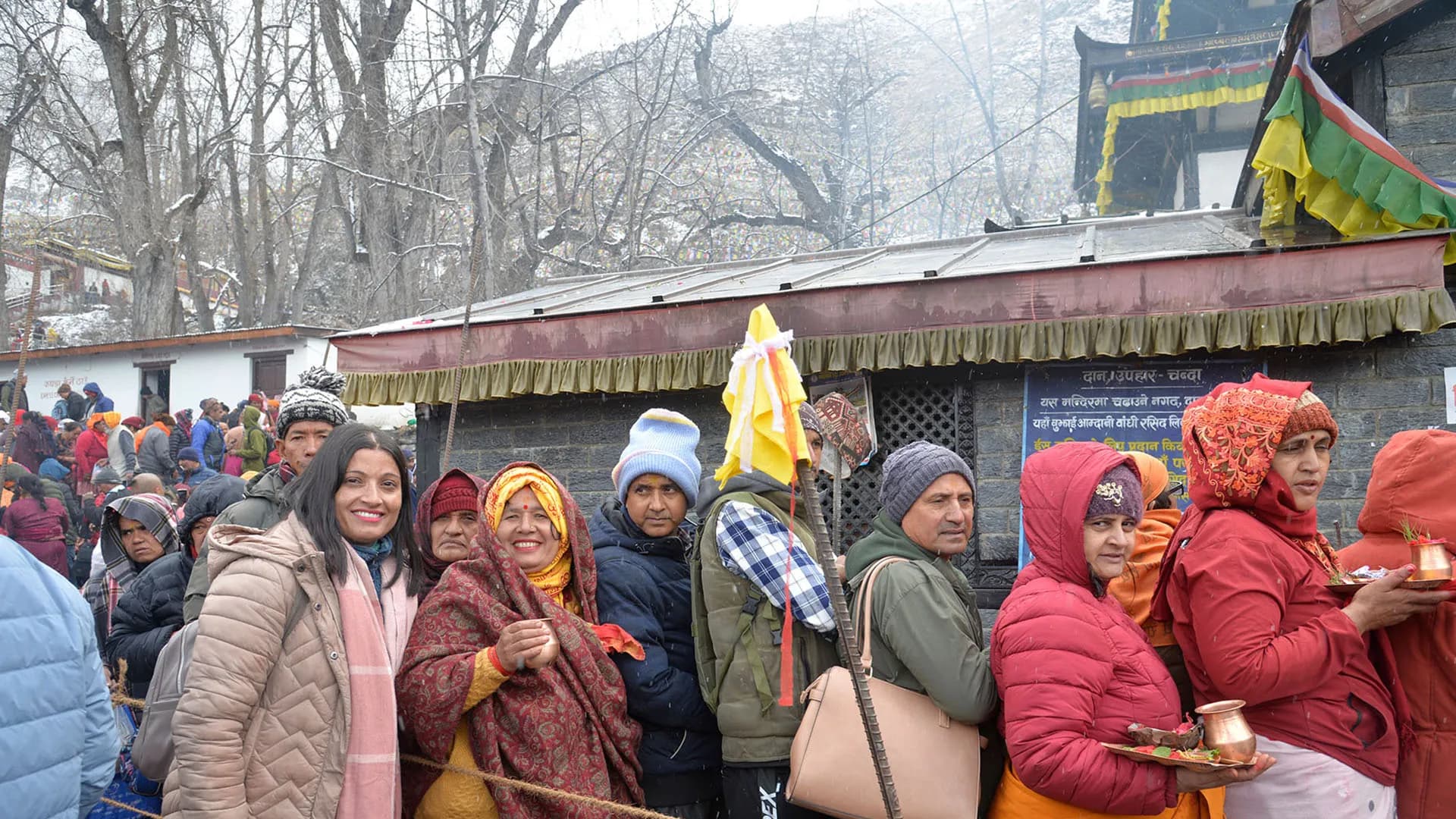
Most pilgrims spend one to two days at Muktinath. The temple is generally open from early morning, and the calmest, clearest time is just after dawn.
- Bathing at the 108 Mukti Dhara, usually early morning (6 to 8 AM)
- Darshan at the main Vishnu temple after the bathing ritual
- A visit to Jwala Mai to see the eternal flame and spring
- Optional circumambulation (parikrama) and quiet time at the Buddhist shrines
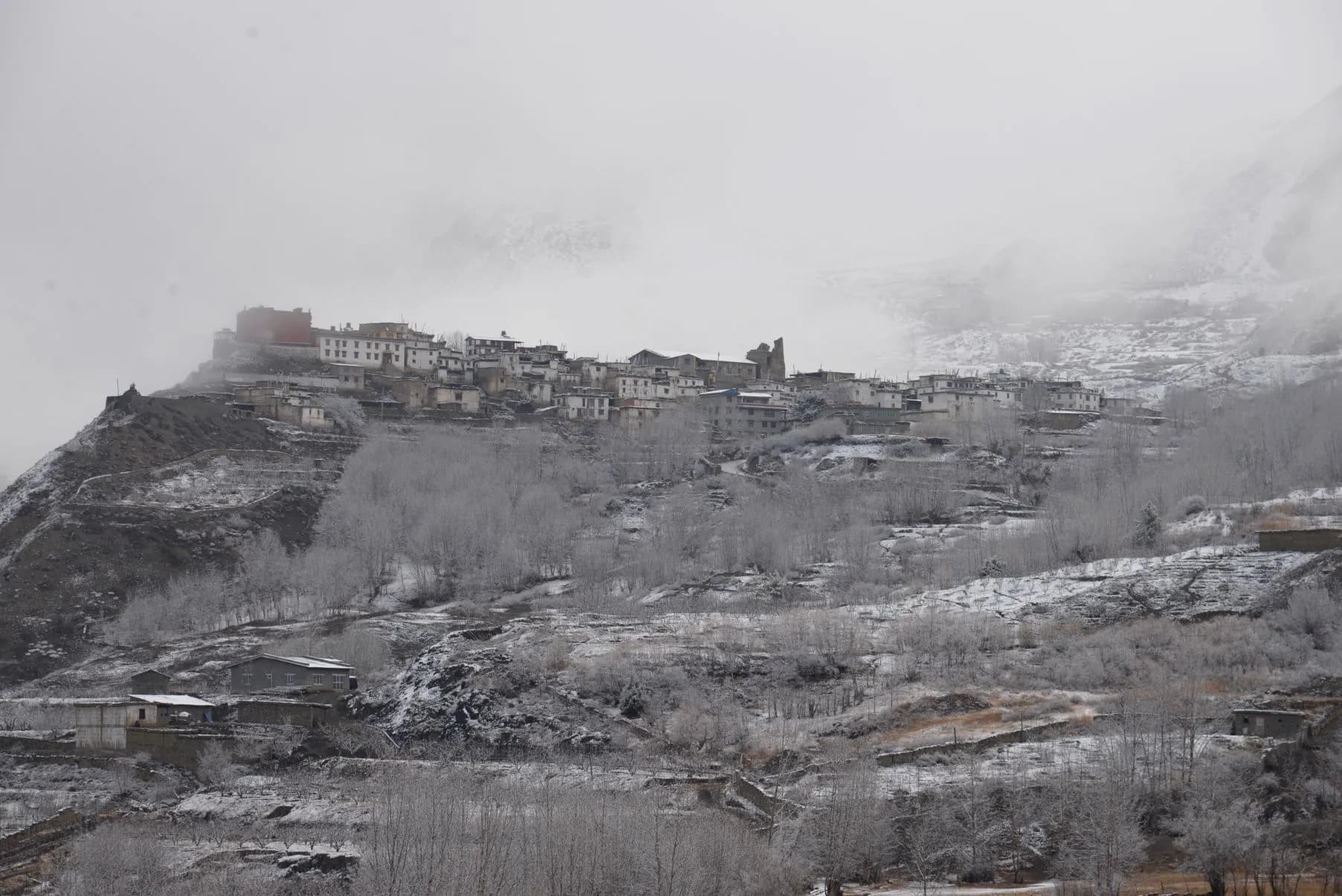
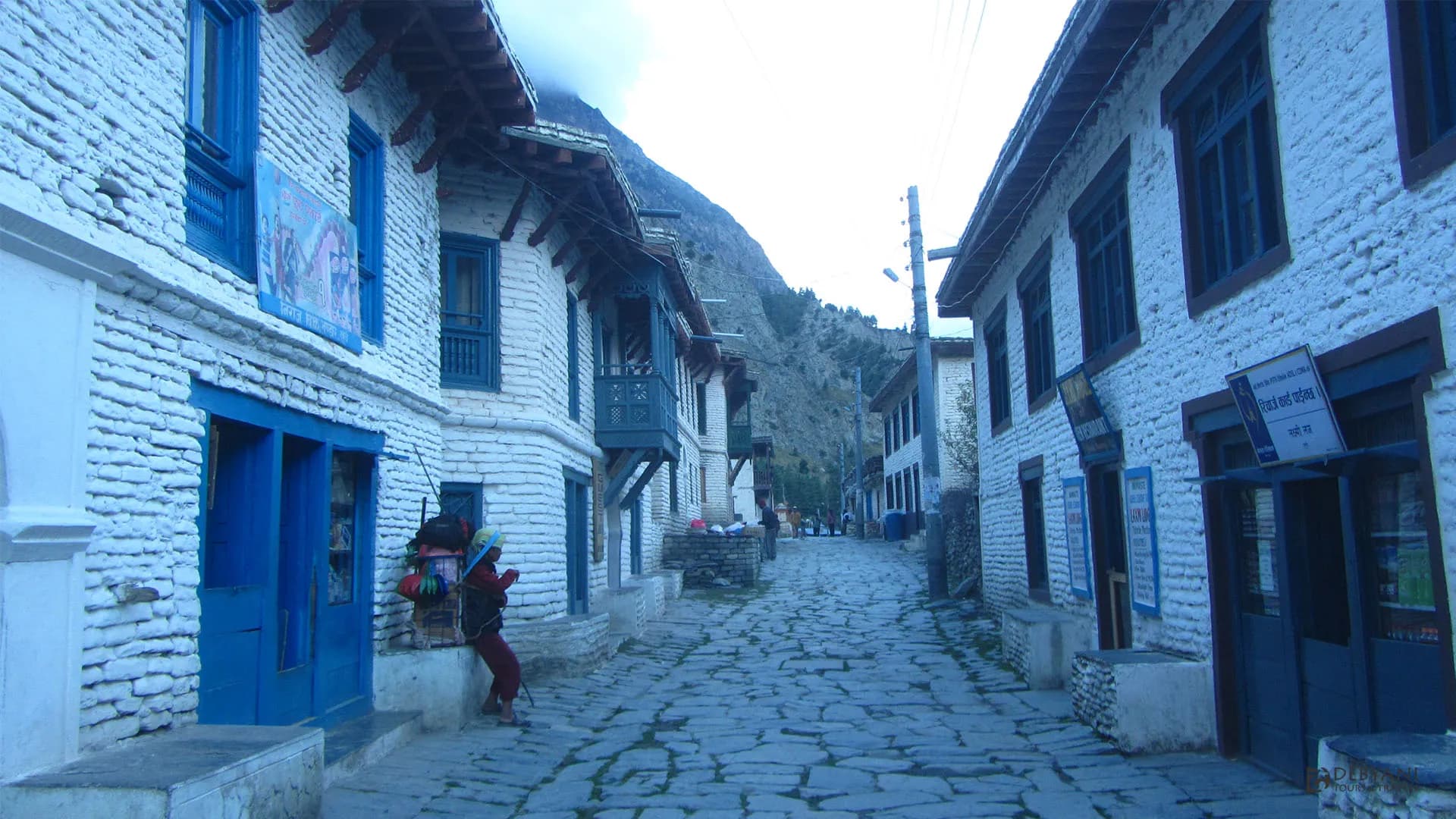
From the base village of Ranipauwa it is a short uphill walk to the temple complex; pony rides are available for those who need them. The surrounding villages of Kagbeni, Jharkot and Marpha reward an extra day if your schedule allows.
A respectful darshan goes a long way: dress modestly covering shoulders and knees, remove your shoes before entering the shrine, ask before photographing rituals, and avoid disturbing worshippers.
Planning Your Visit
A few practical points help the spiritual side go smoothly.
- Best season: March to May and September to November offer the most stable weather and clearest views.
- Acclimatize: Muktinath is at 3,710m, so spend a night in Jomsom (2,720m) on the way up and go slowly.
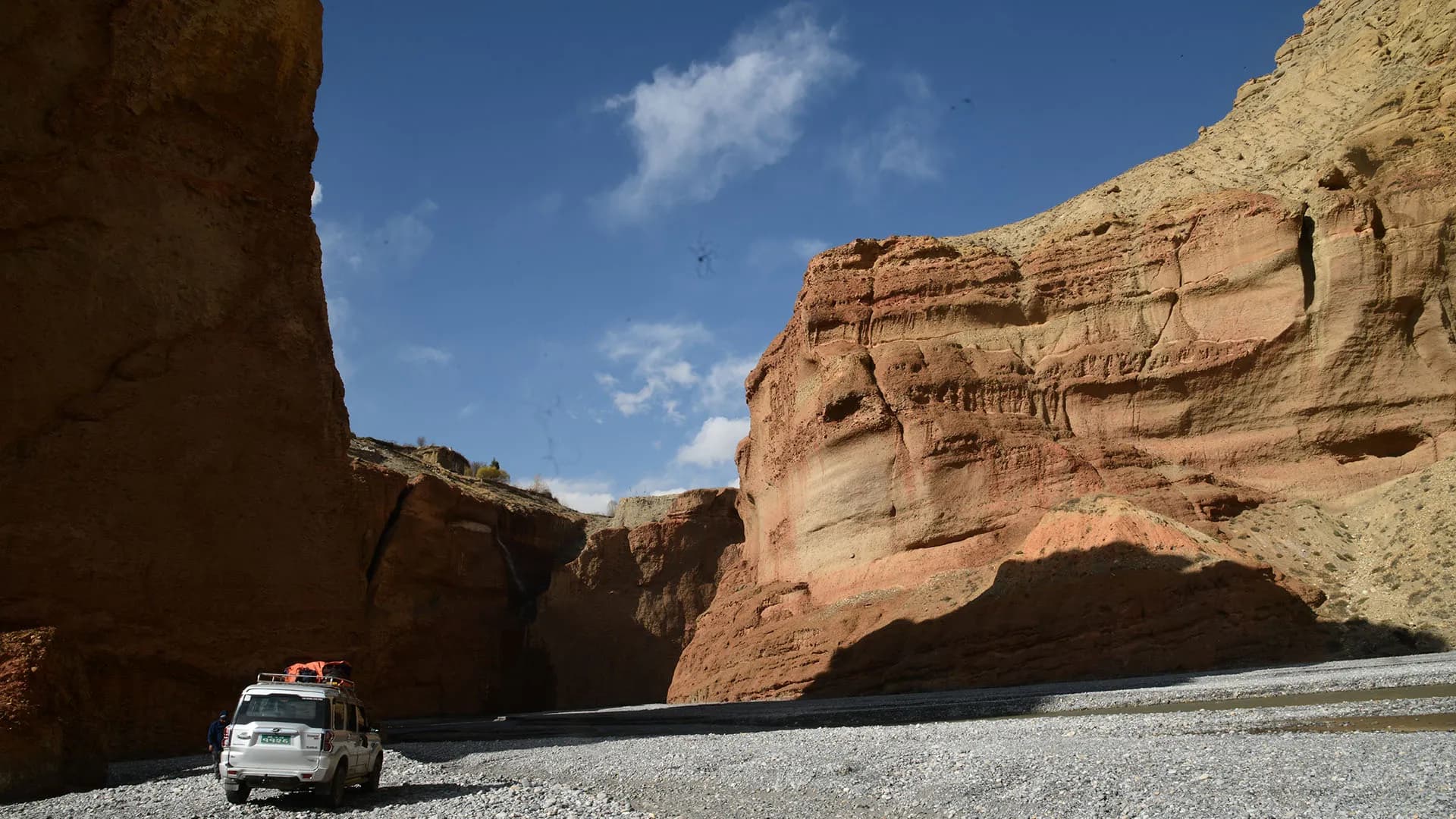
- How to reach: by road through the Kali Gandaki gorge, by flight to Jomsom then jeep, or by helicopter from Pokhara or Kathmandu.
- Permits: an Annapurna Conservation Area Permit (ACAP) is required; tour operators usually arrange it.
Treat Muktinath as a journey rather than a stop. From ancient trade routes to modern helicopter day-trips, the path itself - the gorge, the wind, the high desert light - is part of the pilgrimage.
Frequently Asked Questions
What does Muktinath mean?
Muktinath comes from the Sanskrit words mukti (liberation) and nath (lord or protector), so it means Lord of Liberation. The name reflects the temple's role as a place where devotees seek moksha, freedom from the cycle of birth and death.
Why is Muktinath sacred to both Hindus and Buddhists?
Hindus revere it as one of the 108 Divya Desams of Lord Vishnu - the only one outside India - where bathing at the 108 spouts is believed to grant moksha. Buddhists know it as Chumig Gyatsa, a sacred Tantric site where Guru Padmasambhava meditated. Hindu priests and Buddhist nuns tend the same shrine, making it a symbol of interfaith harmony.
What is the eternal flame (Jwala Mai)?
Jwala Mai is a small temple below the main shrine where a natural gas flame burns alongside a flowing water spring. The coexistence of fire and water is considered miraculous. Hindus worship the flame as the goddess Jwala Mai, while scientists attribute it to natural methane seeping through rock fissures.
What are Shaligram stones?
Shaligrams are black ammonite fossils, 150 million years old, found in the Kali Gandaki River near Muktinath. Hindus consider them natural, self-manifested forms of Lord Vishnu and worship them in homes and temples across South Asia. Collecting one is a meaningful part of the pilgrimage.
Can non-Hindus and non-Buddhists visit Muktinath?
Yes. Muktinath welcomes travelers of all faiths. While the site is sacred, anyone interested in culture, spirituality or Himalayan beauty can experience the rituals, views and local traditions respectfully.